
Campaign for Abolition of Death Penalty (CADP)
The Campaign for the Abolition of the Death Penalty: A Global Imperative and Bangladesh’s Path Toward True Justice
The Moral Crossroads of Modern Justice
The debate surrounding the death penalty is one of the most profound human rights issues of our era. At its core, the Campaign for the Abolition of the Death Penalty (CADP) challenges the foundational authority of the state to take a human life. Across the globe, human rights defenders, civil society organizations, and international bodies increasingly recognize that capital punishment is an irreversible, discriminatory, and ineffective form of punishment that fails to deliver true justice.
As the world steadily transitions toward humane governance, the retention of the death penalty remains a stark contradiction to the fundamental right to life. For nations striving to build democratic, inclusive, and rights-respecting societies, moving away from state-sanctioned execution is not merely a legal adjustment—it is an indispensable moral evolution. In Bangladesh, where the legacy of authoritarianism and colonial-era jurisprudence continues to cast a long shadow, the abolitionist movement has found a steadfast champion in Civic Bangladesh. As a pioneering non-partisan development and human rights organization, Civic Bangladesh has consistently led the charge, advocating tirelessly to root out capital punishment and replace retribution with restorative, equitable justice.
The Global Importance of Abolishing the Death Penalty
The movement to abolish capital punishment rests on several undeniable legal, ethical, and practical pillars:
1. The Absolute Inviolability of the Right to Life
The right to life is recognized universally as a foundational human right. Unlike imprisonment, which can be reviewed, mitigated, or reversed in the event of a wrongful conviction, the death penalty is absolute and irreversible. History demonstrates that no judicial system in the world is immune to human error, corruption, or systemic bias. Executing an innocent person represents a catastrophic failure of justice that can never be undone.
2. The Illusion of Deterrence
A common justification for maintaining the death penalty is its purported ability to deter heinous crimes. However, decades of criminological research and empirical data consistently show that capital punishment has no unique deterrent effect compared to long-term or life imprisonment. Crime rates are driven by socioeconomic factors, the certainty of apprehension, and the overall integrity of the justice system—not by the severity of the punishment.
3. Systematic Bias and Discrimination
Globally, the death penalty is rarely applied equitably. Studies repeatedly show that marginalized communities, racial and ethnic minorities, the impoverished, and those lacking access to competent legal representation bear the brunt of capital sentences. When wealth and power dictate who lives and dies, the legal system ceases to be an instrument of justice and becomes a tool of oppression.
4. Cruel, Inhuman, and Degrading Treatment
The psychological torment experienced by individuals awaiting execution—often referred to as the “death row phenomenon”—coupled with the brutal methods of execution still practiced in various parts of the world, constitutes a form of psychological and physical torture. Modern human rights standards dictate that penal systems must prioritize rehabilitation and human dignity over state-sponsored vengeance.
The Global Landscape: Countries That Have Adopted Abolition
The global trajectory toward the abolition of capital punishment represents one of the greatest human rights success stories of the past century. According to international metrics, more than two-thirds of the world’s countries have abolished the death penalty in law or practice.
- The Global Standard: Currently, over 110 countries have completely abolished the death penalty for all crimes, while dozens of others observe official moratoria or have not carried out executions in over a decade. Regional leaders, particularly within the Council of Europe and the European Union, have made abolition a mandatory prerequisite for membership, cementing it as a benchmark of civilized governance.
- Regional Shifts in Asia and Beyond: While Asia remains home to several prominent retentionist states, neighboring countries such as Nepal and Bhutan have successfully dismantled capital punishment from their legal frameworks, proving that South Asian nations can transition to rights-based penal codes without compromising public safety. Furthermore, international frameworks like the Second Optional Protocol to the International Covenant on Civil and Political Rights (ICCPR) continue to provide a clear roadmap for states ready to commit to permanent abolition.
Despite these encouraging global trends, pockets of heavy retention persist, and periodic regressions—such as the reintroduction of capital punishment for specific offenses in select countries—remind civil society that the fight for human dignity is an ongoing battle.
The Status of the Death Penalty in Bangladesh
Bangladesh remains a staunchly retentionist country, executing individuals through hanging and maintaining capital punishment across numerous statutes. Rooted historically in British colonial legal architecture, the Bangladeshi penal system applies the death penalty not only for aggravated murder but also for a wide array of offenses, including drug-related crimes under the Narcotics Act, specific gender-based violence provisions, and trials conducted under specialized tribunals such as the International Crimes Tribunal (ICT) and recently proposed ordinances concerning enforced disappearances.
The ongoing application of the death penalty in Bangladesh presents acute human rights challenges:
- Flawed Judicial Processes: Civil society organizations and international monitors, including Amnesty International and the International Federation for Human Rights (FIDH), have repeatedly highlighted systemic concerns regarding fair trial standards in capital cases, including trials conducted in absentia and reliance on coerced confessions.
- Overcrowded Death Rows: Hundreds of prisoners languish on death row in cramped, deplorable conditions for years, subjecting them to severe psychological degradation.
- Conflict with International Obligations: Although Bangladesh is a party to the ICCPR, its continued expansion of capital punishment—particularly for non-violent offenses such as certain drug trafficking charges—runs counter to international human rights standards restricting the death penalty strictly to “most serious crimes” involving intentional killing.
In recent years, high-profile legal proceedings and legislative drafts have continued to feature the death penalty as a maximum punishment, illustrating how deeply entrenched retributive justice remains within the nation’s political and legal culture. This reality underscores the urgent necessity for sustained, domestic advocacy to reshape public and political consciousness.
Civic Bangladesh: Pioneering Advocacy for Abolition
Amidst these structural challenges, Civic Bangladesh stands at the vanguard of the movement, courageously advocating for the abolition of the death penalty as a vital component of its broader mission to build a free, fair, and dignitarian society.
A Holistic Vision for Human Dignity
Established in 2005 and officially registered as a prominent nonprofit development organization, Civic Bangladesh views human dignity as the bedrock of effective democratic governance. The organization’s foundational philosophy explicitly targets the elimination of state-sanctioned abuse, rankism, and structural violence. Civic Bangladesh argues that true accountability and sustainable security cannot be achieved through the ultimate violation of human rights—state execution.
Strategic Advocacy and Civic Engagement
Civic Bangladesh operationalizes its anti-death penalty stance through multi-layered strategies:
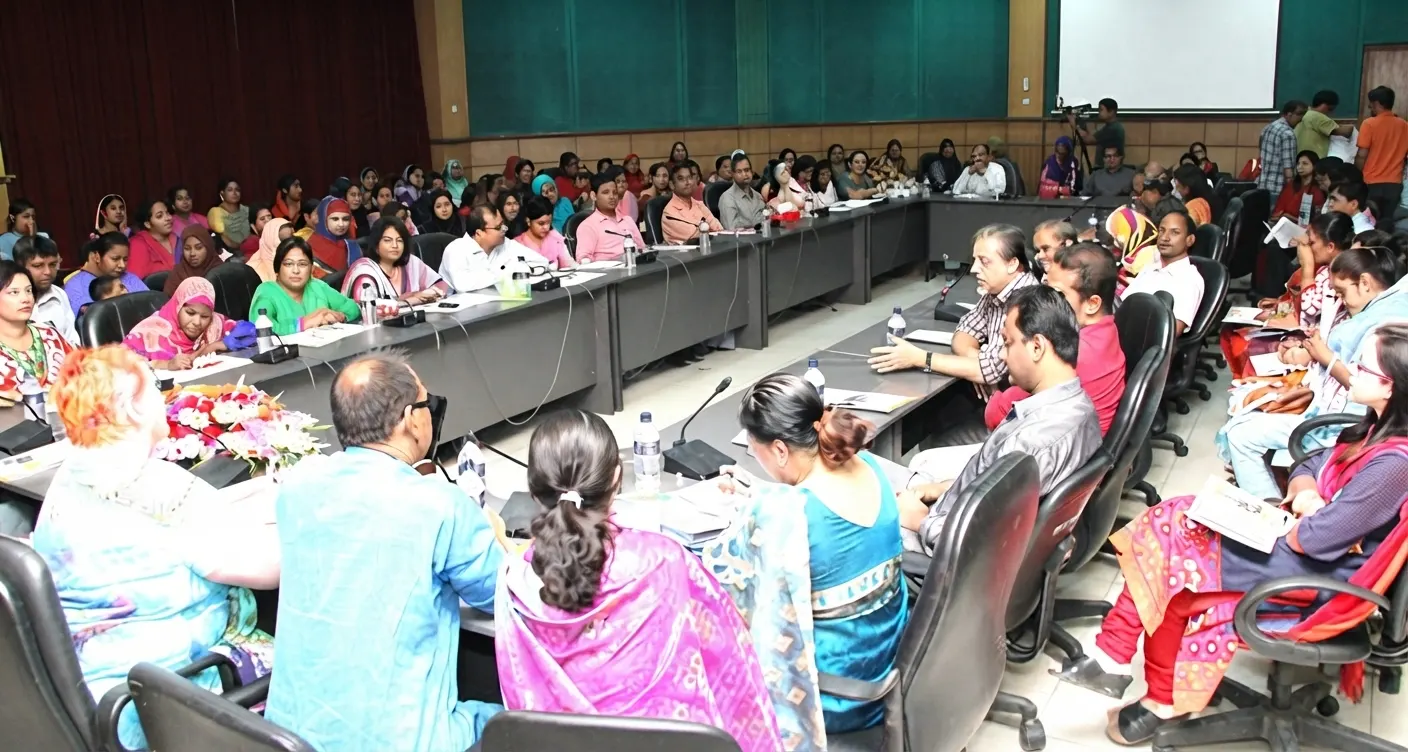
- Grassroots Awareness and Civic Education: Recognizing that public support for the death penalty is often fueled by misconceptions about crime and security, Civic Bangladesh mobilizes community forums, youth networks, and civil society groups to foster critical dialogue on human rights, restorative justice, and alternative penal reforms.
- Policy Research and Advocacy: Collaborating with national and international human rights coalitions, Civic Bangladesh conducts vital policy research to expose the flaws of capital punishment. The organization challenges legislative overreaches—such as the inclusion of the death penalty in non-violent or broadly defined statutes—and urges policymakers to align domestic laws with international human rights norms.
- Institutional Accountability: Civic Bangladesh champions transparency and equitable access to justice, pushing for robust judicial reforms that guarantee fair trials, protect marginalized populations, and eliminate systemic biases. By addressing the root causes of crime through community empowerment and leadership development, the organization demonstrates that societies can achieve safety and justice without resorting to state killing.
Building a Humane Future
The Campaign for the Abolition of the Death Penalty is ultimately a test of a society’s moral maturity. It asks whether a nation’s justice system will mirror the worst acts of offenders through state-sanctioned vengeance, or whether it will rise above them by championing rehabilitation, human rights, and the inviolable sanctity of life.
In Bangladesh, this transition is both urgent and necessary. Through the unwavering, visionary leadership of organizations like Civic Bangladesh, the vision of a death-penalty-free nation moves steadily from an ideal to a tangible goal. By continuing to educate communities, challenge archaic legal frameworks, and advocate relentlessly for systemic reform, Civic Bangladesh is helping pave the way toward a truly just, humane, and democratic future where freedom and dignity are guaranteed for all.